Dig Clean Progression Guide
Spend Dig & Clean Gold in the right order after Update 1.0.
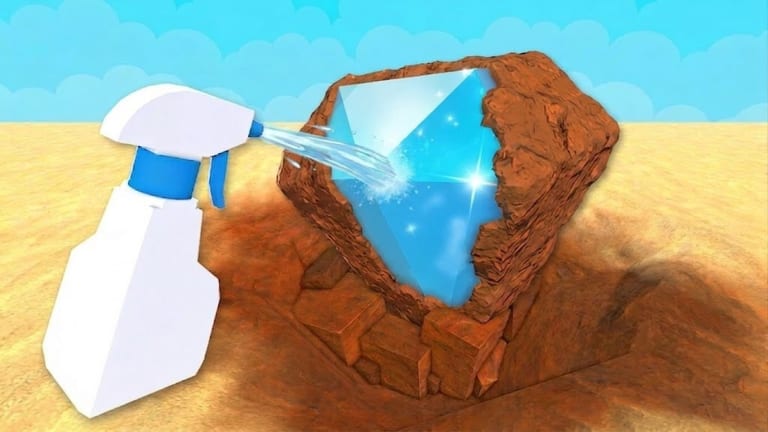
A clear Dig Clean progression path stops the most expensive beginner mistake: buying shiny tools that do not fix your bottleneck. After Update 1.0, progression balances detector Luck, shovel Power, spray speed, museum ambition, island unlocks, and timed luck codes.
Dig Clean progression pillars
- Loop mastery — detect, dig, and clean without inventory chaos (How to Play).
- Luck first — detectors raise rare odds permanently (Detector tier list).
- Dig completion — shovels so hard glows finish (Shovels).
- Reveal speed — spray/washers so finds are not stuck dirty (Spray bottles).
- Collection goals — museum pieces justify longer sessions (Museum).
- Map expansion — Cove then Sphinx when tools are ready (Islands).
- Timed spikes —
SECRET10/UPDATE1only on prepared runs (Luck Stacking).
Dig Clean early progression
- Finish the tutorial so Shop codes unlock.
- Buy Copper Detector ASAP (500 Gold).
- Learn cleaning before heavy spending (How to Clean).
- Buy Wood/Stone shovel if digs feel sluggish.
- Buy Rubber/Plastic spray if reveals take forever.
- Avoid cosmetics before tools.
- Redeem codes only when you can dig immediately (How to Redeem).
Run the interactive Upgrade Priority checklist after every shopping trip.
Dig Clean mid progression
Push Silver → Gold → Platinum Detector, climb toward Amethyst Shovel, and keep spray within one tier band. Farm Shipwreck Cove for Gold. Mid Dig Clean fails when players over-invest in dig speed with a Rusty Detector — you just clean commons faster.
Rebalance using the three tier pages and Items Rarity so you know what Omega / Mythic labels look like after a wash.
Dig Clean late progression
Save toward Sphinx Sands (~2.5M Gold Pirate unlock). On Sphinx, chase Aquamarine detector first, then shovel, then pressure washer. Run Omega farms with stacked Luck. Sell duplicate weight; display first-of-type trophies (Sell or Keep).
Dig Clean progression checklist
| Checkpoint | Done when |
|---|---|
| Loop understood | Detect→dig→clean→sort without confusion |
| First detector buy | Glows feel clearly luckier |
| First shovel buy | Dig cadence faster / fewer hard-stops |
| First spray buy | Reveals no longer stall the session |
| Codes ready | Tutorial done; Active Codes bookmarked |
| Museum started | A few proud displays |
| Cove ready | Starter feels thin; tools feel ready |
| Sphinx ready | ~2.5M Gold + Platinum-level gear plan |
Dig Clean progression mistakes
- Treating Dig Clean like DIG’s shovel ladder
- Ignoring detectors entirely
- Burning
SECRET10on Starter Island with Rusty gear - Museum-hoarding every common
- Skipping Controls and misplaying inputs
- Chasing unverified codes instead of earning upgrades
Dig Clean progression next reads
Rare Items · Best Finds · Update 1.0
Progression is not a race — it is a luckier, cleaner Dig Clean loop every hour you play.
Dig Clean cash sink priorities
After tools, avoid cosmetics until island travel and museum basics are stable. Every sink should increase rares-per-hour or museum quality.
Dig Clean weekly progression review
Once per week, compare Gold on hand to the next detector and shovel tiers. Pick one purchase goal instead of impulse shopping after every sell streak. Recheck Active Codes the same day.
Frequently Asked Questions
Quick answers to the most common Dig Clean questions.
What should I buy first in Dig Clean?
Usually the next detector for Luck. If digs hard-stop, buy shovel Power. If inventory stays dirty, buy spray.
When should I move islands in Dig Clean?
When starter digs feel poor and your detector/shovel/spray can handle Cove — then save for Sphinx.
Is there a Dig Clean endgame?
Sphinx Sands Omega hunting, Aquamarine gear, and museum completion form the long-term endgame.
Should I save codes for later in Dig Clean?
Save SECRET10 until your best island and detector are ready — but do not sit forever while the promo expires.
Is hoarding Gold bad in Dig Clean?
Moderate savings for Sphinx or Amethyst/Platinum tiers is smart; hoarding forever slows rares per hour.