Dig Clean Item Rarity
Read Dig & Clean rarity after the spray reveal — including Update 1 Omega.
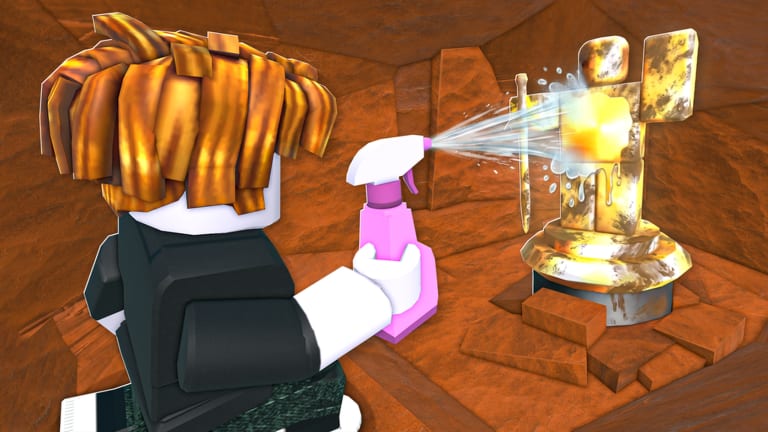
Dig Clean item rarity only becomes trustworthy after cleaning. Dig & Clean hides the punchline under dirt on purpose. Update 1.0 added Omega as the top tier above Mythic / Rainbow-style highs players already chased.
Dig Clean rarity principles
- Rarity labels appear on cleaned items — never trust dirty inventory guesses.
- Higher rarity usually means stronger museum priority and tourist Gold.
- Omega is the post-Update 1 ceiling (Omega Items guide).
- Volume of detect→dig→clean cycles is how you see more high-rarity rolls.
- Luck stacking (detector + island + codes) shifts the table (Luck Stacking).
Dig Clean rarity ladder (player-facing)
Exact mid-tier names can vary by UI color, but the practical ladder after Update 1 looks like:
| Band | Typical Dig Clean action |
|---|---|
| Common / junk | Sell for Gold |
| Uncommon | Sell or keep for themes |
| Rare+ | Museum candidate |
| Mythic / Rainbow-tier highs | Strong keep; sell duplicates |
| Omega | Top keep; screenshot; display first |
Named Omega examples players share include Crystal Skull and Sapphire Skull — lists change with patches, so chase the farm loop, not a frozen checklist.
Dig Clean rarity and tools
- Detectors add Luck — the permanent rarity lever (Detector tier list).
- Shovels finish hard high-tier digs (Shovels).
- Spray bottles reveal the label faster (Spray bottles).
- Codes like
SECRET10add temporary Luck (Active Codes). - Sphinx Sands adds island Luck (Islands).
Better tools do not “guarantee Omega,” but they increase how many Dig Clean reveals you finish per hour on the right map.
Dig Clean rarity actions
| Rarity feel | Typical Dig Clean action |
|---|---|
| Common | Sell |
| Uncommon | Sell or keep for themes |
| Rare+ | Museum candidate |
| Duplicate rare / Mythic | Sell for progression |
| Omega first | Museum + screenshot |
| Omega duplicate | Sell or swap weaker displays |
Track candidates in the museum checklist.
Dig Clean rarity myths to ignore
- Myth: codes always mint Omega — they boost Luck timers; you still dig and wash.
- Myth: DIG glowing hole colors apply here — wrong game (vs DIG).
- Myth: never sell rares — duplicates fund Platinum detectors and Sphinx unlocks.
- Myth: shovel Luck is a hidden stat — gear Luck is detector-driven.
Dig Clean rarity grinding tips
Follow How to Get Rare Items, keep cleaning discipline from How to Clean, expand islands when ready, and time codes with Luck Stacking.
Sibling Dig Clean item pages
Rarity knowledge turns Dig Clean from random spraying into intentional collecting.
Dig Clean rarity label reading practice
During your next session, read aloud the rarity on every clean before selling. That habit trains fast judgment when Omega finally prints.
Dig Clean rarity and island tiers
Later islands skew toward higher average rarity, but commons still exist. Cleaning still separates junk from treasure — even on Sphinx.
Dig Clean rarity logging
Use the museum checklist to note first-of-type Omegas and Mythics. Memory fades; a ticked checklist beats guessing.
Dig Clean rarity journal habit
Note the first time you see each rarity tier in a phone memo. Over a week you learn how often each tier appears with your current detector and island — better than forum drop-rate guesses.
Frequently Asked Questions
Quick answers to the most common Dig Clean questions.
When does Dig Clean show item rarity?
After the item is fully cleaned and identified.
What is Omega rarity in Dig Clean?
Omega is the top rarity tier added in Update 1.0. Farm it with stacked Luck on Sphinx Sands.
Is higher Dig Clean rarity always better to keep?
Usually for museum slots, but duplicates can be sold to fund detectors and island unlocks.
Does Dig Clean rarity match DIG rarity colors?
No. Dig Clean is a separate Roblox experience.
Do detectors change Dig Clean rarity odds?
Yes. Detector Luck stacks with island Luck and temporary codes to raise high-tier odds.